If you operate a boarding facility, doggy daycare center, or even a spacious home kennel, you know that four-legged guests bring boundless energy and plenty of wear and tear, which often leads owners to ask are concrete coatings safe for dog kennels. From muddy paws to sharp claws, ordinary concrete floors can quickly become pitted, stained, and unsanitary. That’s where dog kennels concrete coatings come in. A professionally installed coating from Complete Coatings NW, serving Portland, OR, and Southwest Washington, transforms plain slabs into durable, easy-to-clean, pup-friendly surfaces that stand up to the Pacific Northwest’s toughest challenges.
A Shield Against Scratches, Stains & Odors
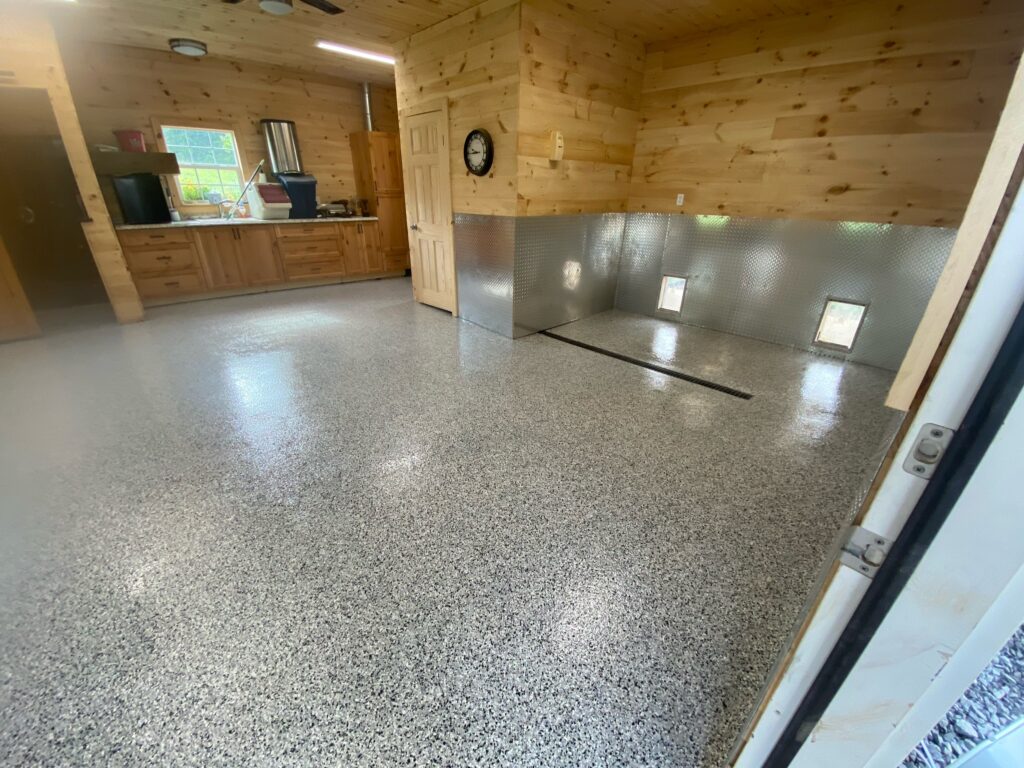
Concrete is strong, but it’s also porous. Urine, cleaning chemicals, and water can seep into microscopic pockets, producing lingering odors and discoloration. A high-quality polyaspartic or epoxy system seals the surface completely, creating an impenetrable barrier that prevents liquids from soaking in. Because the coating forms a single, seamless layer, even aggressive cleaning agents can’t undermine it—perfect for daily hose-downs and disinfectant mopping routines required by state and local kennel regulations.
Hygiene That Keeps Pets Healthy
Healthy dogs mean happy owners. Concrete coatings for dog kennels eliminate the nooks and crannies where bacteria, mold, or fungi like to hide. With a smooth, non-porous finish, you can achieve hospital-grade sanitation in minutes, reducing the risk of kennel cough, parvovirus, and other contagious illnesses. Additionally, optional antimicrobial additives further inhibit microbial growth, ensuring every pup enjoys a clean and spotless stay.
Traction Where It Matters Most
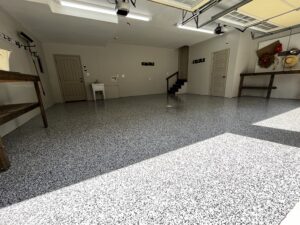
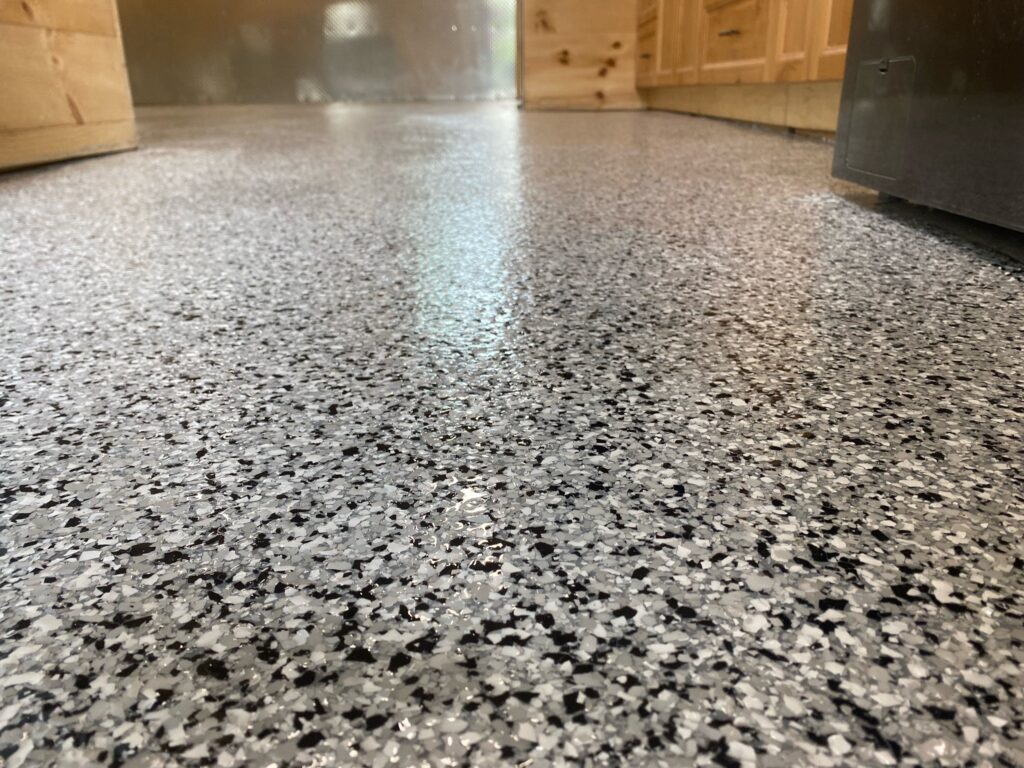
Slippery floors are hazardous for both dogs and staff, especially during playtime or bath day. Modern coating systems enable installers to broadcast vinyl flake or quartz aggregate into the wet topcoat, creating a finely textured surface that enhances traction without compromising easy maintenance. The result: dogs can sprint, spin, and chase toys without losing their footing, and caretakers can move confidently—even with water buckets in hand.
Are Concrete Coatings Safe for Dog Kennels?
Concrete coatings can be safe for dog kennels when they are non-toxic, slip-resistant, and designed for animal environments.
Can Concrete Coatings Help Regulate Temperature in Dog Kennels?
Absolutely—though it might surprise many kennel owners. Bare concrete readily conducts heat and cold, causing slab temperatures to fluctuate with the season. In Portland’s damp winters, floors can feel icy; in summer, direct sunlight through kennel windows may make them uncomfortably warm. Certain dog kennels’ concrete coatings contain reflective pigments or insulation-enhanced layers that minimize these swings.
Cool-Touch Technology
Light-colored flake blends combined with UV-stable topcoats reflect more of the sun’s rays, helping keep surfaces cooler during hot afternoons. That means less panting and greater comfort for resting pups.
Thermal Buffering
By sealing the slab, coatings reduce moisture absorption. Drier concrete holds heat less aggressively, moderating the “cold floor” feeling in winter. When paired with simple rubber kennel mats or beds, coated floors help maintain a more stable micro-climate—supporting canine joint health and overall well-being.
Built for the Pacific Northwest Climate
Rainy Pacific Northwest days track in plenty of mud. Polyaspartic topcoats shrug off moisture, won’t yellow under UV exposure, and cure quickly, even in cool temperatures. Should you ever need repairs, the fresh topcoat bonds chemically to the old layer, allowing for spot fixes without a complete redo. Add a custom color flake blend—perhaps your kennel’s branding hues—and you’ll have a floor that’s as attractive as it is functional.
Fast Installation, Minimal Downtime
Unlike traditional epoxy systems that may take up to a week to cure, modern multi-layer polyaspartic coatings can handle light foot traffic in just a few hours—and be fully ready for use within a day. Complete Coatings NW schedules projects around peak boarding dates to minimize disruption, keeping revenue flowing while your improvements take place.
A Smart Investment With Long-Term Payoff
Between reduced cleaning labor, lower chemical costs, fewer floor repairs, and happier clientele, coated kennel floors often pay for themselves in under three years. They also bolster your professional image—which is important when pet parents compare facilities online and in person. Showcasing gleaming, slip-resistant surfaces signals a commitment to safety, cleanliness, and quality care.
Ready to Give Your Kennel Floors a Pup-Approved Upgrade? Book Your Free Floor Assessment Today!
At Complete Coatings NW, we specialize in dog kennels concrete coatings that stand up to claws, cleaners, and the unique climate of Portland and Southwest Washington. Our certified crews handle everything—from crack repairs to custom flake designs—so you can focus on wagging tails and happy clients. Call us to schedule your no-obligation consultation. Let’s create a kennel environment that’s safer, cleaner, and more comfortable—for dogs and humans alike!