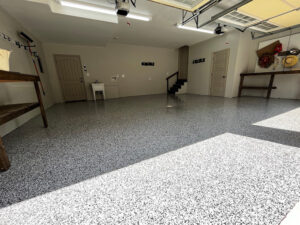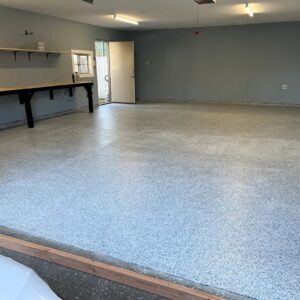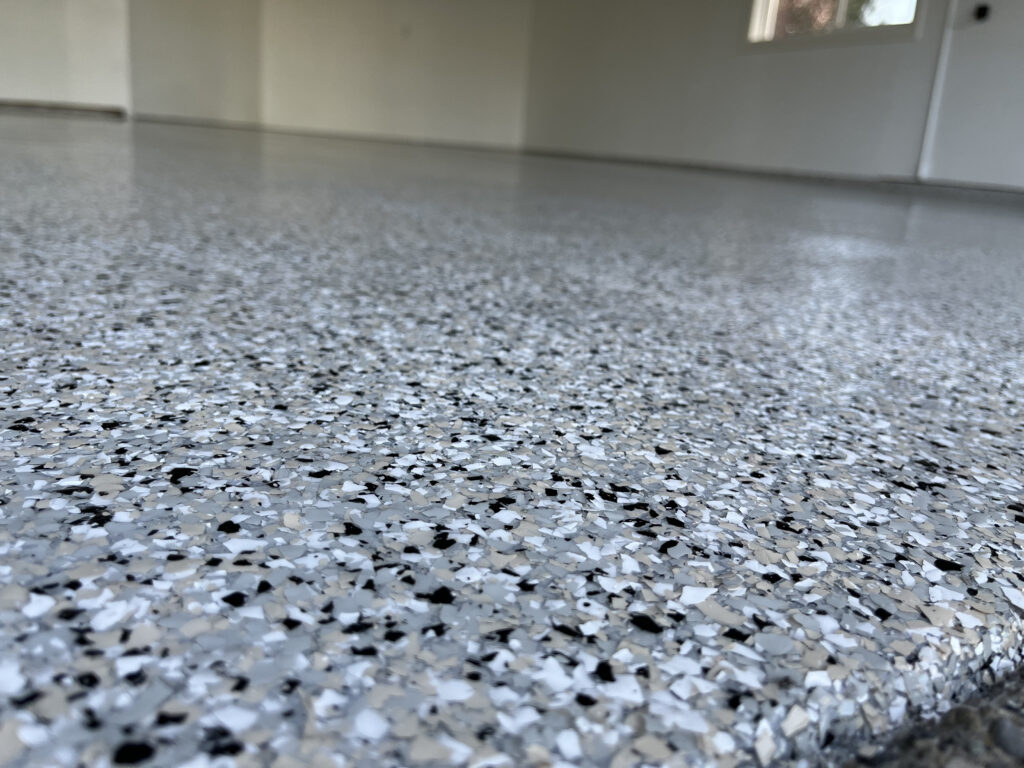
If you are comparing polyaspartic vs epoxy garage floor coatings, the biggest differences come down to durability, curing speed, and long-term appearance. While epoxy has been used for years, modern polyaspartic systems are designed to last longer and perform better in everyday garages.
Epoxy coatings can look great at first, but they often yellow, peel, or crack as the concrete underneath expands and contracts. Polyaspartic coatings were developed to solve those issues. They bond more tightly to concrete, stay flexible, and resist UV damage.
Today, most high-performance garage floors use a polyurea base coat with a polyaspartic top coat. This system creates a strong protective layer that handles daily vehicle traffic, tools, moisture, and temperature changes.
For homeowners in Portland and the surrounding Northwest area, polyaspartic coatings provide a cleaner, stronger, and longer-lasting garage floor.
Many homeowners now skip traditional epoxy and choose polyurea and polyaspartic systems because they install in one day and stay looking better for years.
Quick Comparison: Polyaspartic vs Epoxy
| Feature | Epoxy Garage Floor | Polyaspartic Garage Floor |
| Durability | Moderate | Very high |
| Cure Time | 24 to 72 hours | 4 to 6 hours |
| UV Resistance | Can yellow over time | UV stable |
| Flexibility | Rigid | Flexible |
| Installation Time | Multi-day process | Often completed in one day |
| Long Term Appearance | May discolor or peel | Maintains color and gloss |
Epoxy may cost less at first, but polyaspartic coatings are built to handle the daily wear that most garage floors experience.
What Is an Epoxy Garage Floor Coating?
Epoxy is a two-part resin coating that hardens after the components are mixed together. When it cures, it forms a solid surface layer over the concrete.
For many years, epoxy was the most common way to coat a garage floor because it offers:
- A smooth, glossy finish
- Basic protection for concrete
- Resistance to oil and chemicals
- Decorative options like color flakes
Even though epoxy can improve the look of a garage floor, it has a few well-known limitations.
Epoxy coatings are fairly rigid. Concrete naturally expands and contracts with temperature changes, especially in garages that are exposed to outdoor air. When the coating cannot move with the slab, cracks or chips may develop.
Another issue is UV discoloration. Epoxy is not UV-stable, which means sunlight entering through a garage door or windows can cause the coating to yellow over time.
Epoxy also takes longer to cure. In most cases, homeowners must wait two to three days before they can park a vehicle back in the garage.
What Is a Polyaspartic Garage Floor Coating?
Polyaspartic coatings were originally developed for industrial flooring systems that needed to handle heavy use. Over time, the technology made its way into residential garages because of its strength and fast curing time.
Polyaspartic coatings belong to the polyurea family of materials, which are known for their durability and flexibility.
Some of the biggest advantages include:
- Strong bonding to concrete
- Fast curing times
- Excellent abrasion resistance
- UV stability
- Long-lasting color and gloss
Unlike epoxy, polyaspartic coatings remain slightly flexible after curing. This allows the coating to move with the concrete slab instead of cracking when temperatures change.
Another benefit homeowners appreciate is the installation speed. Many professional installers can complete a polyaspartic garage floor in a single day, which means you can usually park in your garage again the next day.
Polyaspartic vs Epoxy Garage Floor: Side-by-Side Comparison
Looking at the main differences between these coatings makes it easier to decide which option is best for your garage.
Durability
Garage floors deal with constant wear. Vehicles, tools, storage, and foot traffic all put pressure on the surface.
Epoxy forms a hard protective layer, but it can become brittle over time. Dropped tools or heavy use may eventually cause chips or cracks.
Polyaspartic coatings are designed to handle much more stress. Their flexibility helps them absorb impact and adapt to temperature changes in the concrete.
Because of this, polyaspartic floors often keep their appearance much longer.
Cure Time
Installation time matters, especially if you rely on your garage every day.
Epoxy coatings usually require:
- About 24 hours before you can walk on the floor
- 48 to 72 hours before parking a vehicle
Polyaspartic coatings cure much faster.
In many cases:
- The floor can be walked on within a few hours
- Vehicles can return the next day
This faster curing process is one reason many homeowners prefer modern coating systems.
UV Resistance
Sunlight entering a garage may not seem like a big issue, but over time it can affect certain coatings.
Epoxy floors are not UV stable, which means they can yellow or fade when exposed to sunlight.
Polyaspartic coatings are designed to resist UV exposure. They maintain their original color and gloss even when sunlight reaches the floor.
Flexibility
Concrete expands and contracts naturally as temperatures change.
Rigid coatings can struggle to handle that movement. When stress builds up, the coating may crack or separate from the concrete.
Polyaspartic coatings stay more flexible, allowing them to move with the slab. This helps prevent long-term damage and keeps the floor looking smooth.
Maintenance
Both epoxy and polyaspartic coatings make garage floors easier to clean compared to bare concrete.
Coated surfaces resist:
- Oil stains
- Road salt
- Tire marks
- Dirt buildup
Most homeowners only need to sweep regularly and mop occasionally.
Polyaspartic floors tend to maintain their gloss and finish longer, which means fewer repairs over time.
Cost Considerations
Epoxy coatings usually have a lower upfront cost than polyaspartic systems.
However, epoxy floors may eventually require:
- Repairs from peeling
- Recoating after several years
- Full replacement if damage becomes severe
Polyaspartic coatings often cost more at first, but their durability and longevity usually provide better value in the long run.
Why Many Installers No Longer Use Traditional Epoxy
Over the past several years, many professional garage floor installers have moved away from traditional epoxy systems.
There are a few reasons for this shift.
Hot Tire Pickup
When a vehicle is driven and parked in the garage, the tires become hot. On epoxy coatings, this heat can soften the material and cause it to lift from the concrete.
Peeling and Delamination
If the concrete surface is not prepared properly or moisture is present in the slab, epoxy coatings can separate from the floor.
Yellowing
Sunlight exposure can gradually change the color of epoxy floors, leaving them looking aged or uneven.
Because of these issues, many installers now prefer polyurea and polyaspartic systems that provide stronger bonding and longer-lasting performance.
The Professional Garage Floor System Used Today
Most modern garage floor installations use a multi-layer coating system designed to protect concrete while improving the look of the space.
A typical installation includes four main steps.
1. Surface Preparation
The concrete is mechanically ground to remove imperfections and open the pores of the surface.
Cracks and damaged areas are repaired so the coating can bond properly.
2. Polyurea Base Coat
A 100 percent solids polyurea base coat is applied. This layer creates a strong bond between the concrete and the coating system.
3. Decorative Flake Broadcast
Colored vinyl flakes are spread across the surface to create texture and visual depth.
These flakes help provide:
- Slip resistance
- Color customization
- A more finished appearance
4. Polyaspartic Top Coat
A UV-stable polyaspartic top coat seals the system.
This layer protects the floor from:
- Daily wear
- Chemicals
- Stains
- Sunlight exposure
The result is a garage floor that looks clean, modern, and built to handle everyday use.
Which Garage Floor Coating Is Best for Your Home?
The right coating depends on what you want from your garage floor.
Epoxy may work in spaces with light use where the main concern is keeping costs lower.
Polyaspartic systems are usually the better choice for homeowners who want:
- A longer-lasting floor
- Faster installation
- Better resistance to sunlight
- A garage that stays cleaner and easier to maintain
Many homeowners today see their garage as an extension of the home. A professionally installed coating can transform stained concrete into a space that looks brighter, cleaner, and easier to enjoy.
Frequently Asked Questions
Is polyaspartic better than epoxy for garage floors?
Polyaspartic coatings are generally considered better because they cure faster, resist UV damage, and tend to last longer than traditional epoxy.
How long do epoxy garage floors last?
A typical epoxy floor can last five to ten years, depending on usage and installation quality.
How long do polyaspartic garage floors last?
High-quality polyaspartic systems can last significantly longer because they resist cracking, peeling, and discoloration.
Are polyaspartic floors slippery?
Decorative flake systems create a textured surface that improves traction and helps reduce slipping.
Can garage floor coatings be installed in one day?
Many polyaspartic systems allow for single-day installation because the materials cure very quickly.
Transform Your Garage Floor with a One-Day Installation
A professionally installed garage floor coating can completely change how your garage looks and feels.
Modern polyurea and polyaspartic systems protect your concrete while creating a clean, durable surface that is easy to maintain. Instead of dealing with stained or damaged concrete, you can enjoy a garage floor designed for daily use.
Complete Coatings NW installs high-performance garage floor systems for homeowners throughout Portland and nearby communities.
One-day installation. Long-lasting durability. A garage you will actually enjoy using.
Call (971) 247-9844 to schedule your quote today.